Room Demolition in Bergen County, NJ
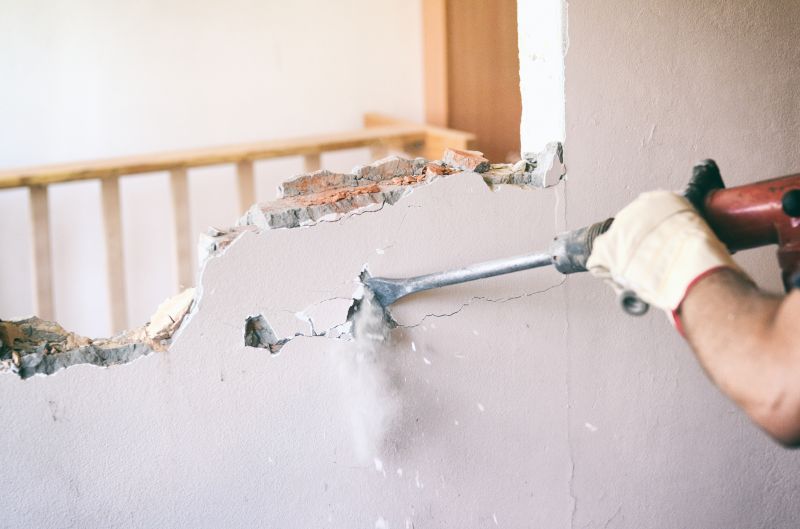
Room demolition services involve the careful removal of interior walls, partitions, or other structures within a property. This type of work is commonly requested for home renovation projects, basement finishing, or reconfiguring living spaces to better suit the homeowner’s needs. Property owners should consider the scope of the demolition, including whether load-bearing walls are involved, and understand that proper planning and safety measures are essential to ensure the work is completed efficiently and safely.
Before requesting room demolition, property owners typically want to know about the potential impact on existing electrical wiring, plumbing, and HVAC systems. It’s also important to assess the disposal of debris and the preparation required for subsequent remodeling or construction phases. Clear communication about the project’s goals and any structural considerations can help ensure the demolition process aligns with the overall renovation plan.
Many property owners in Bergen County, NJ look into Room Demolition for repairs, replacements, upgrades, and appearance-related improvements.
Interior Wall Removal
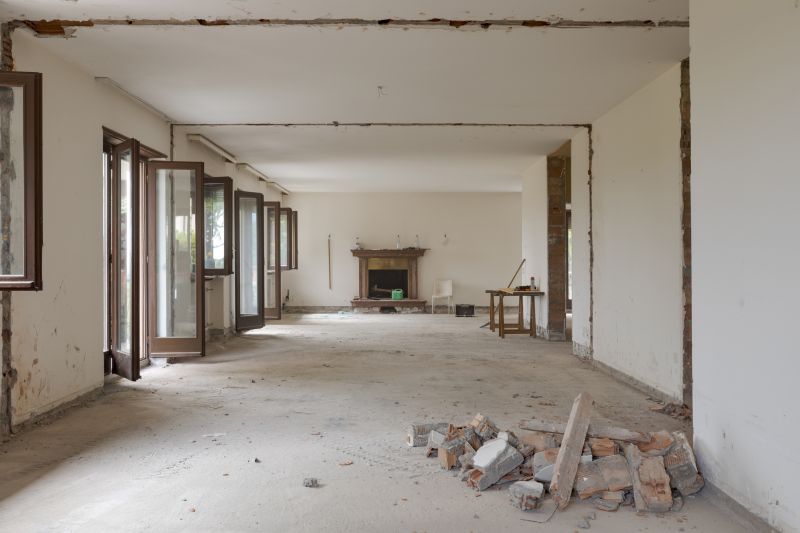
Removing interior walls to open up living spaces or create new layouts.
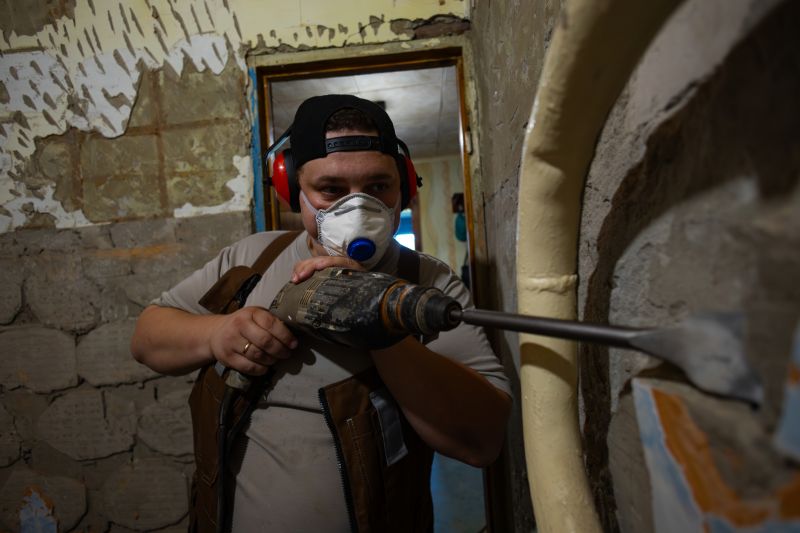
Kitchen Demolition
Tearing down existing kitchen structures to make way for renovations or upgrades.
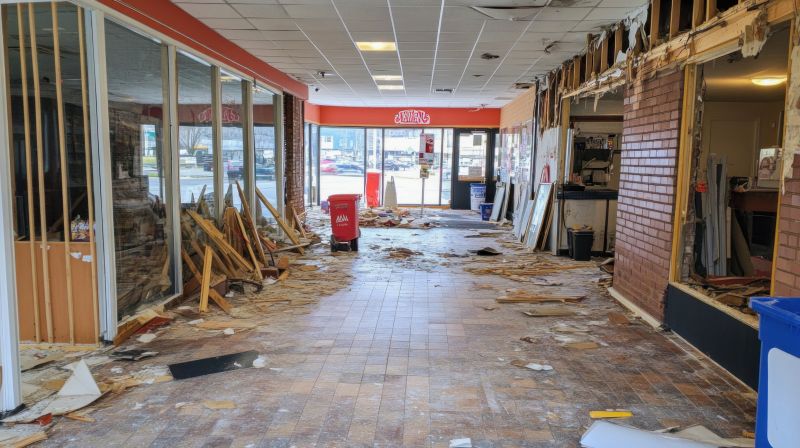
Room Expansion Projects
Demolishing sections of existing rooms to increase space and improve functionality.
Room Demolition in Bergen County, NJ
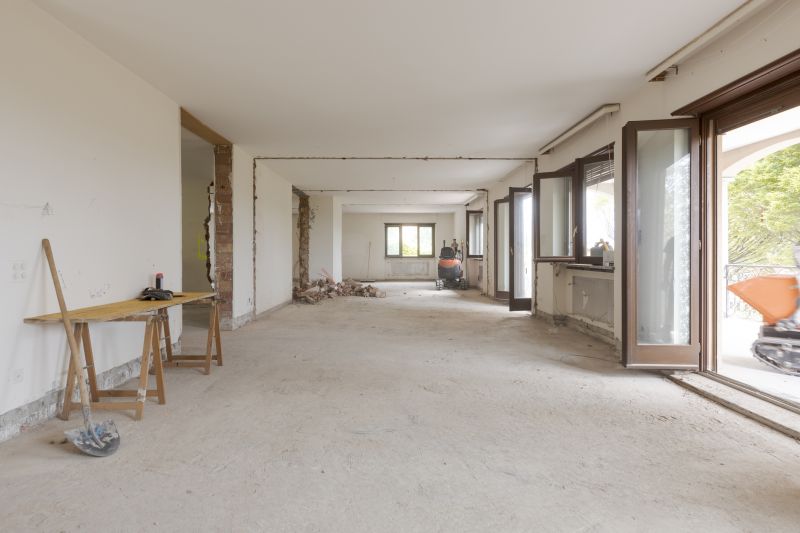
Room demolition services involve the careful removal of interior walls, partitions, or other structures within a property. This type of work is commonly requested for home renovation projects, basement finishing, or reconfiguring living spaces to better suit the homeowner’s needs. Property owners should consider the scope of the demolition, including whether load-bearing walls are involved, and understand that proper planning and safety measures are essential to ensure the work is completed efficiently and safely.
Before requesting room demolition, property owners typically want to know about the potential impact on existing electrical wiring, plumbing, and HVAC systems. It’s also important to assess the disposal of debris and the preparation required for subsequent remodeling or construction phases. Clear communication about the project’s goals and any structural considerations can help ensure the demolition process aligns with the overall renovation plan.
Many property owners in Bergen County, NJ look into Room Demolition for repairs, replacements, upgrades, and appearance-related improvements.
Common Room Demolition Jobs
Interior Room Demolition - involves removing walls, ceilings, or fixtures to update or reconfigure living spaces.
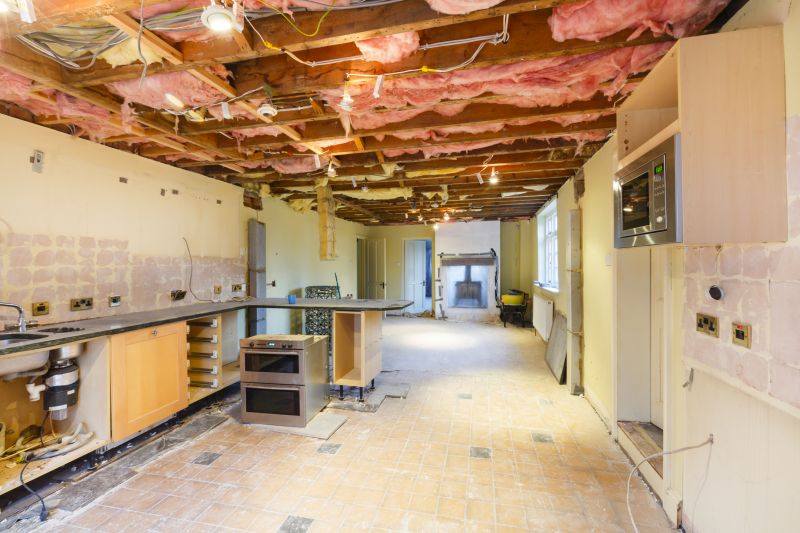
Kitchen Demolition - includes tearing out cabinets, countertops, and appliances for remodeling projects.
Bathroom Demolition - entails removing old fixtures, tiles, and cabinetry to prepare for renovations.
Wall Removal - involves safely taking down non-load-bearing walls to create open floor plans.
Basement Demolition - includes clearing out existing structures or finishes to prepare for finishing or remodeling.
Partition Wall Demolition - involves removing interior partitions to reconfigure room layouts efficiently.
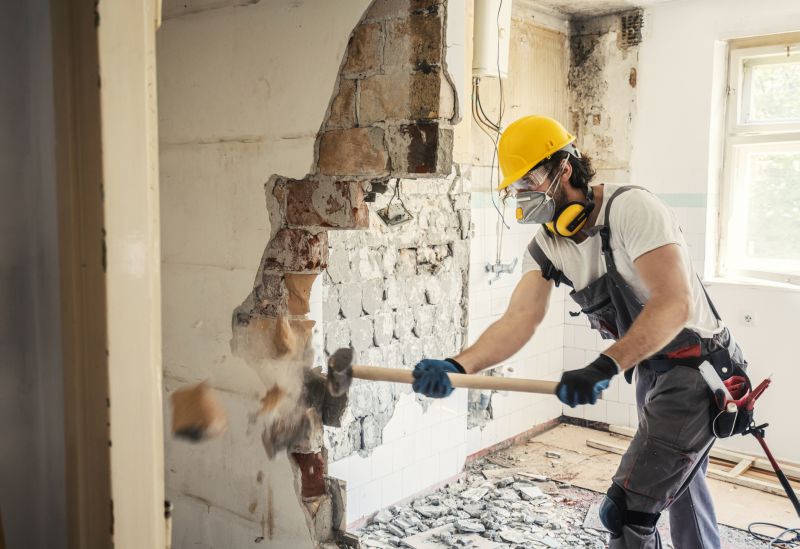
Room Demolition Questions
What types of rooms can be demolished? Demolition services typically include interior rooms such as bedrooms, kitchens, bathrooms, and basements, as well as small additions and non-structural walls.
Is room demolition suitable for remodeling projects? Yes, room demolition is often part of renovation projects to create open layouts or update existing spaces.
What should property owners consider before demolition? It's important to evaluate structural elements, electrical and plumbing systems, and obtain any necessary permits before beginning.
How is debris managed after demolition? Debris removal is usually handled as part of the service, ensuring the space is cleared and ready for the next phase of renovation.
Request Room Demolition in Bergen County, NJ
Use the quote form on this page to share the basics of your project and request more information for the type of work you need.